
The Forest City

Updated: Apr 16
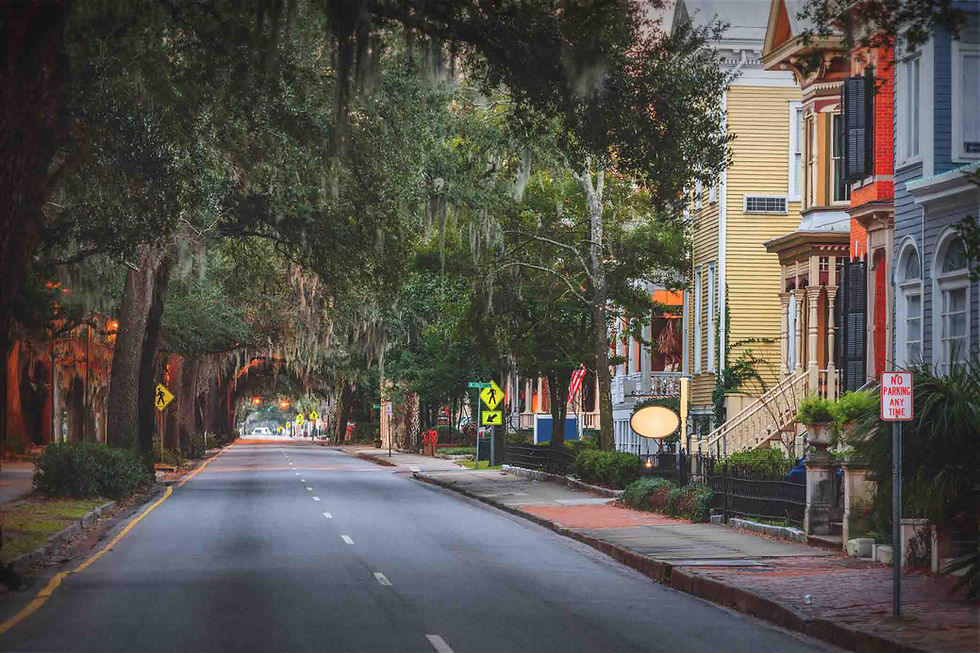
Chatham County is an
Urban Forest
Chatham County’s urban forest is one of its most famous natural resources. Contrary to popular belief, our forest has not always consisted of noble live oaks and towering magnolias. Our urban forest is ever-adapting to outside forces and continues to do so today.
The Past
The history of Savannah’s trees can be divided into three distinct urban forests, shaped by man-made and natural forces. We are currently enjoying our third forest, and the trees we plant today will form the foundation for our fourth.

SAVANNAH’S FIRST FOREST CONSISTED OF LONGLEAF PINE
Prior to the founding of the City of Savannah, the forests along the Georgia coast were predominantly composed of longleafand slashpines. The longleaf forests of the southeast once stretched from Virginia south to Florida and west to Texas, and supported an incredible diversity of plants, birds, mammals, and reptiles. These same longleaf pines were harvested in 1733 to construct many of the original buildings of downtown Savannah.
SAVANNAH’S SECOND FOREST, PLANTED IN THE EARLY 1800’S, LED TO THE NICKNAME “FOREST CITY.”
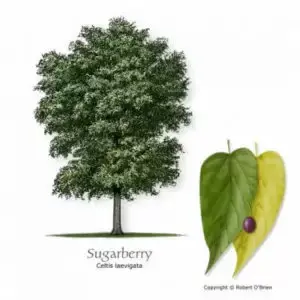
In 1804, a hurricane decimated much of the city’s forest. The species that were replanted after this storm primarily consisted of sugarberry , chinaberry , and American sycamore . This generation of forest is what led to Savannah becoming known as the Forest City.

SAVANNAH’S THIRD FOREST CONSISTS LARGELY OF LIVE OAKS, WHICH SHADE OUR STREETS TODAY
In 1893, another hurricane destroyed most of Savannah’s trees, taking out thousands of trees. In 1895, the Park and Tree Commission was formed to lead the reforestation effort across the City through the late 1890’s and early 1900’s. Many of the larger trees you see today in downtown Savannah, particularly the live oaks , are a result of that effort.
THE PRESENT

Thanks to past planting efforts, our current urban forest is robust and provides our community with many benefits.

CLEAN AIR

COOL AIR

IMPROVED HEALTH

REDUCED CARBON LEVELS

STORMWATER MITIGATION

ENERGY SAVINGS

WILDLIFE HABITAT

INCREASED PROPERTY VALUE
The Future
The history of Savannah’s trees can be divided into three distinct urban forests, shaped by man-made and natural forces. We are currently enjoying our third forest, and the trees we plant today will form the foundation for our fourth.
Check out the recap of our 2024 State of the Trees forum to learn more about what STF and its municipal partners are doing to protect and grow our forest today!


Comments